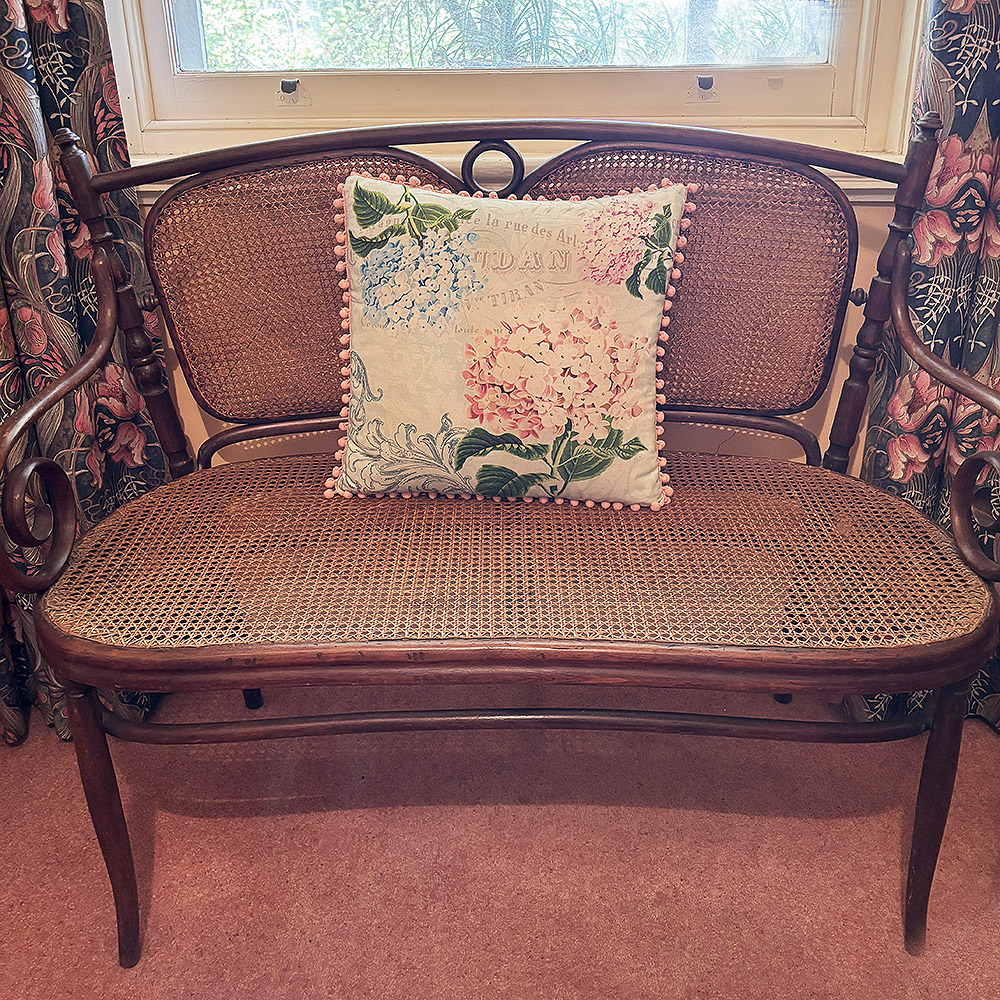
Bentwood, as the name suggests, describes objects that are made by wetting wood (either by soaking or by steaming), then bending it and letting it harden into curved shapes and patterns. Furniture makers often use this method in the production of rocking chairs, cafe chairs and other light furniture.
The iconic No. 14 chair (also known as the ‘Vienna chair’ or ‘bistro chair’), developed in the 1850s in the Austrian empire by Thonet (Germany), is a well-known design based on the technique. This furniture design received a gold medal at the 1867 World Fair in Paris.
Manufactured in Austria from the 1850s onwards, bentwood furniture was also made in the USA from the early 1870 onwards and in Canada from the mid-1880s, and all three countries exported in large quantities. There was plenty of interest following an exhibition of bentwood furniture at the Great Exhibition in London in 1851, and in Australia and New Zealand, bentwood chairs were one of the most common forms of seating for almost a century; in its 1894 catalogue, Sydney department store Anthony Hordern & Sons states that there was ‘scarcely a home in New South Wales’ where bentwood chairs did not ‘occupy a conspicuous place among the household goods’.
By 1913, Thonet was supplying the market with 1,810,000 chairs per year. The parts were packed into boxes and shipped to the distributors or direct to the retailers, who then assembled them. Ikea is not a new invention.
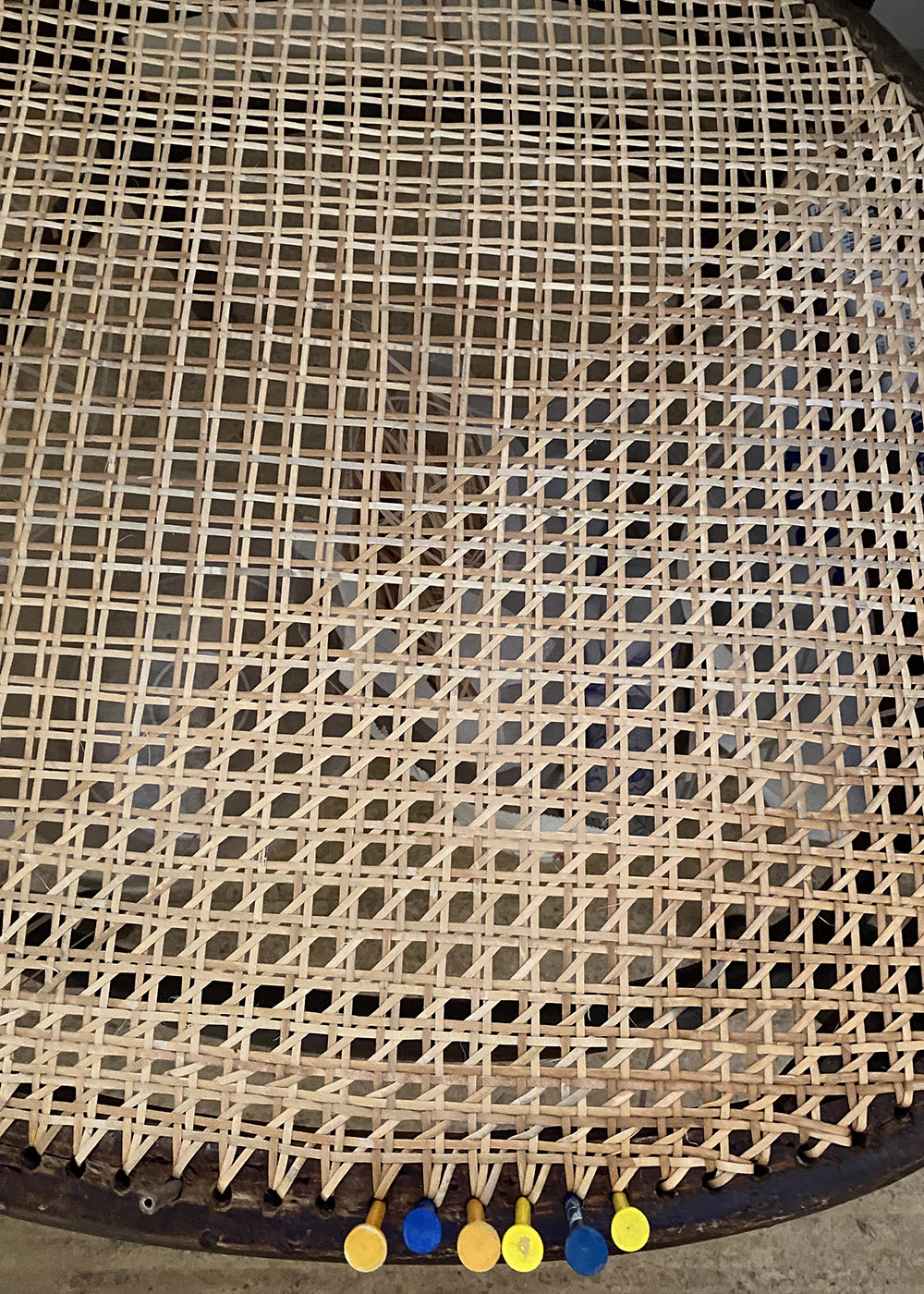
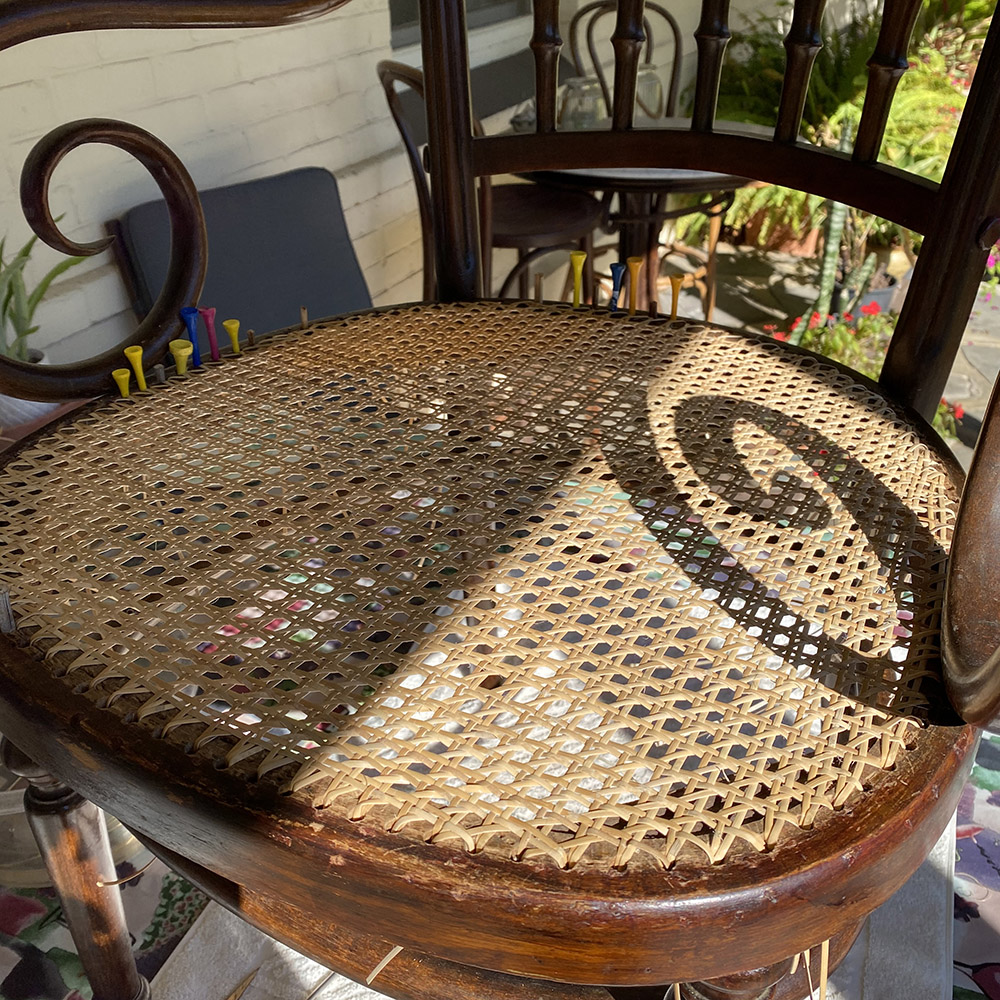
The most common restoration of a bentwood chair is with the caning, which can deteriorate over time. Cane hand weaving can be complex and detailed work, but when done by hand it should last a lifetime and is well worth considering if you have a piece of quality bentwood.
For more information on bentwood and cane woven panels restoration, click here:
Ref: australian.museum/blog