Originally from Wormleighton in Warwickshire, the Spencers had made their fortune from sheep farming. Then, in 1508, Sir John Spencer joined the landowning elite when he bought the estate of Althorp near Northampton, which is still the country seat of the Spencer family today and known to many as the resting place of Princess Diana.
Almost one hundred years later, James I raised the Spencers into the ranks of the nobility when he created Sir Robert the First Baron Spencer in 1603. Robert’s grandson, the Third Baron, supported Charles I during the Civil War and was made Earl of Sunderland in June 1643, only to die a few months later at the first battle Newbury at the age of 22.
There were to be four further Sunderland Earls, including the Third Earl who married Anne, the younger daughter of the Great Duke and Duchess of Marlborough. However, the Sunderland Earldom was to be superseded when the Fifth Earl of Sunderland also inherited the Marlborough Dukedom through his maternal aunt in 1733.
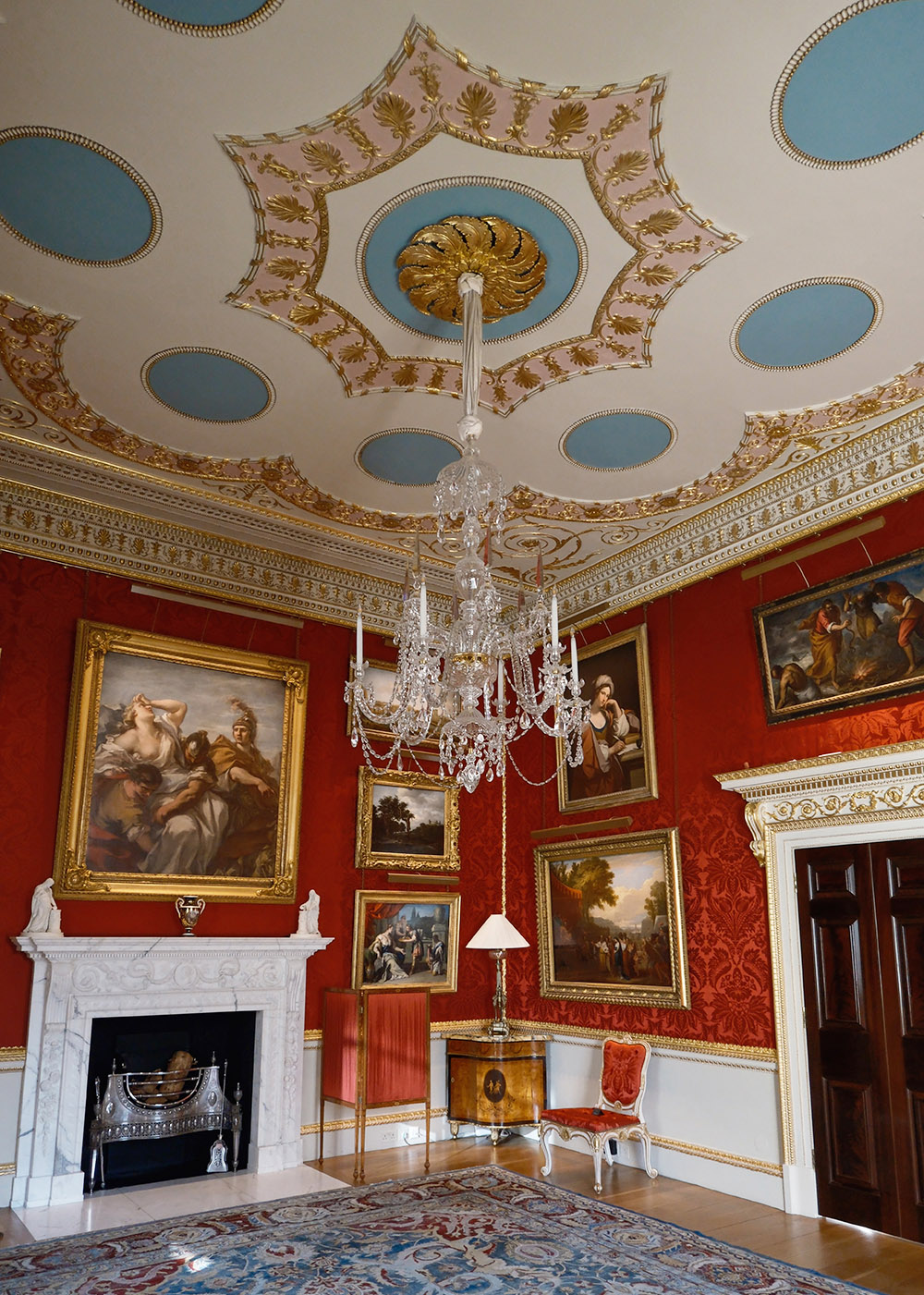
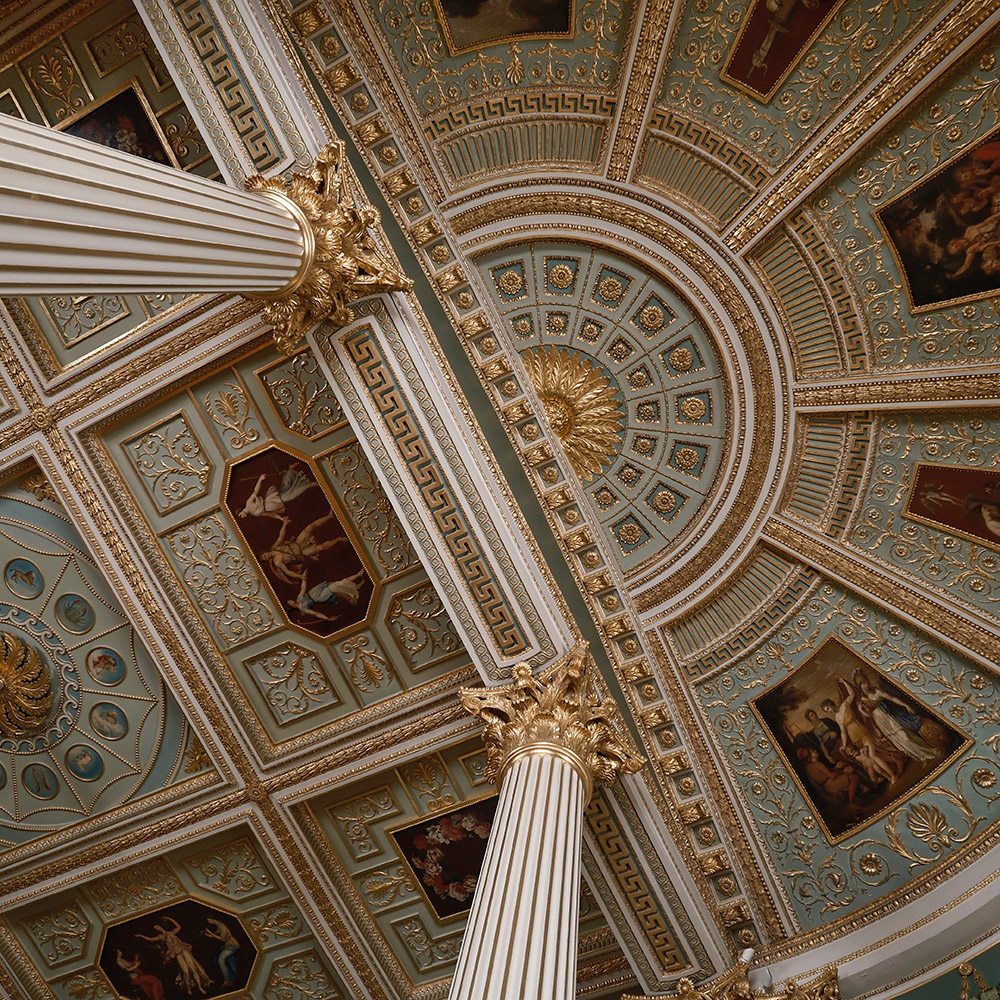
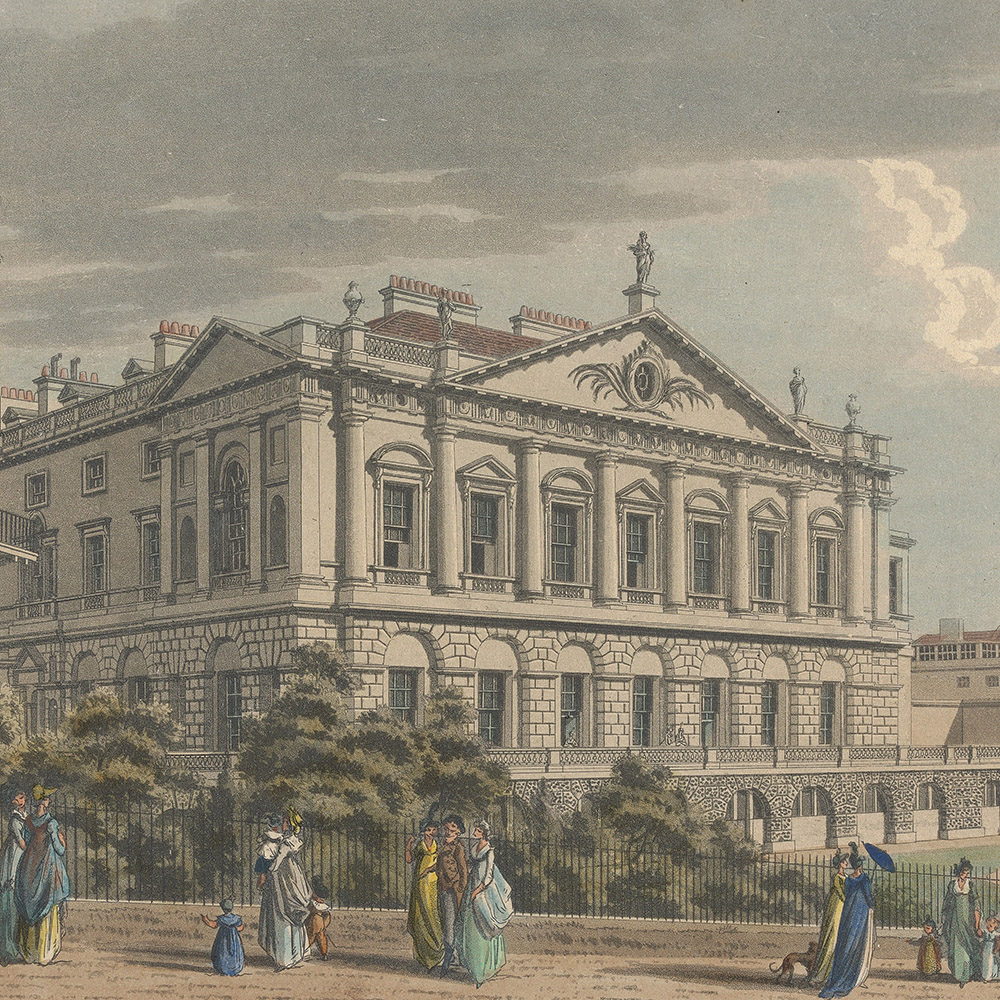
This released the Sunderland estates and several fine houses, including Althorp, for Charles’s younger brother John. Despite being a bit of a rogue, John was the Duchess of Marlborough’s favourite grandchild and when she died she left him a large share of her personal fortune. John’s wild behaviour led to an early death and his young son, also called John, inherited one of the largest fortunes in England. It is this John who used his immense wealth to build Spencer House in 1756 and who was created the First Earl Spencer in 1765.
To find out much more about the Spencer family and their stunning house, see the special feature in the Winter 2026 issue of Antiques to Vintage magazine, due for release in late May.