Australia’s ancient landscape hosts rock formations dating to over 3000 million years ago, making it an important location for geological research. Australia is home to hundreds of varieties of gemstones; however, as Teaghan Hall writes, a few gemstones have become a unique part of the country’s history.
Opal
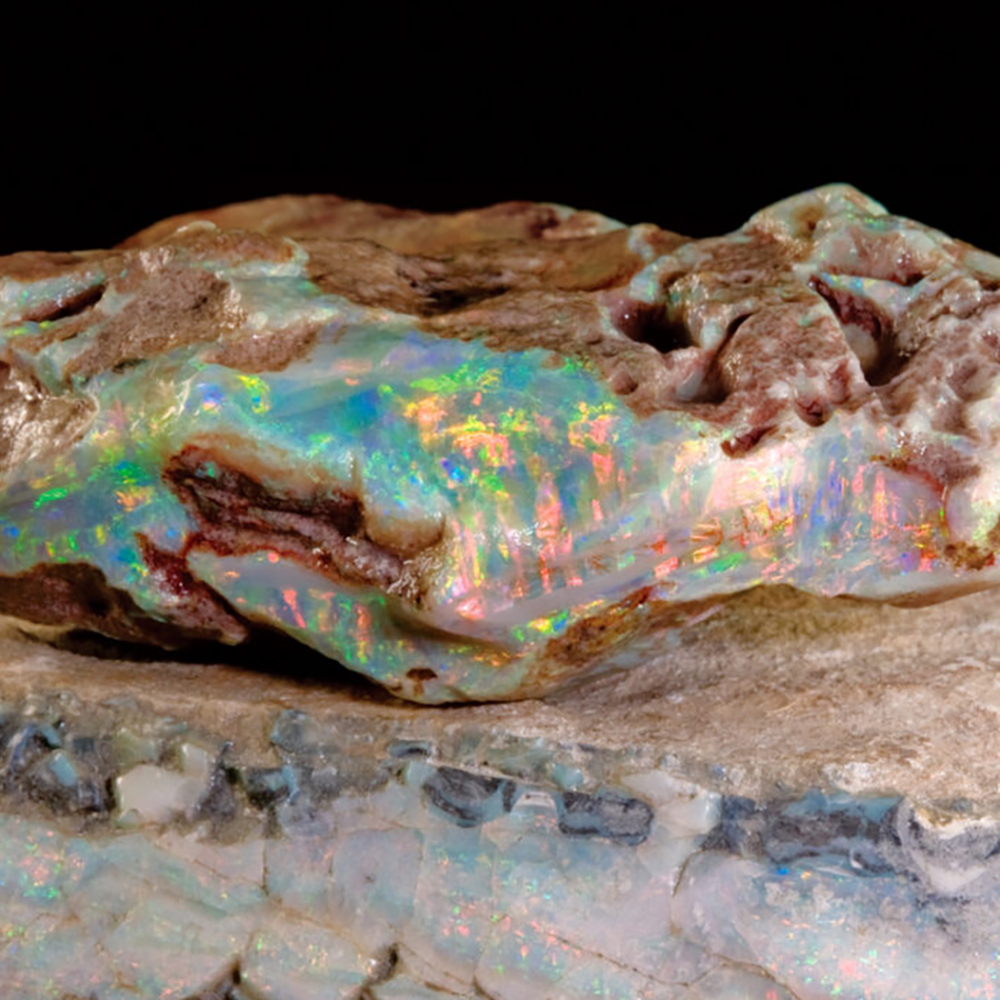
Australia has long been renowned as one of the top sources of opal in the world. This gemstone features a wonderful ‘play-of-colour’ effect; a unique display resulting from the diffraction and interference of light due to the silica spheres in the stone’s structure. Opals can exhibit a rainbow effect of colours, from the more common blues to green hues, to the highly desirable orange to red. The presence of strong red hues is referred to as the opal’s ‘fire’ and can give contrast and life to the gemstone. Opal has been commercially mined in Australia since the Victorian era, when the discovery of gold fields sparked a gold-rush. Opal deposits were first discovered in 1849 by Johannes Menge near Angaston in South Australia. Opals of all varieties, including fire opal, crystal opal, boulder opal, white opal and the highly prized, black opal have continued to be mined from Australia. Major opal producing regions include Coober Pedy, Lightning Ridge, Andamooka and Winton. The significance of the opal deposits of Australia were formally recognised in 1993 when opal became the country’s national gemstone.
Pink Diamond
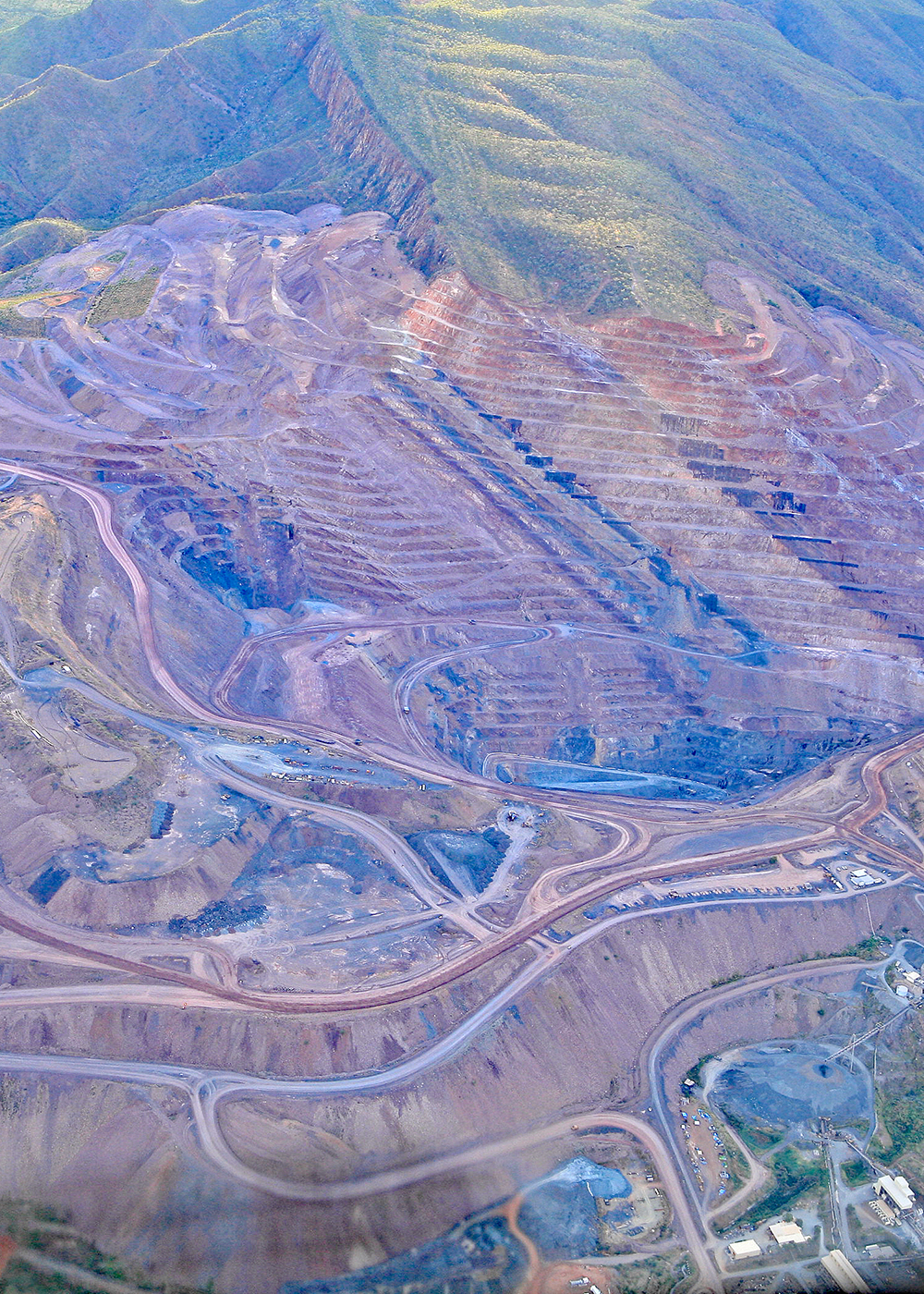
Diamonds have been mined in Australia since the mid-1800s, making it an important world-source. However, it wasn’t until the late 1970s when prospectors in the Kimberley region discovered diamond deposits that would become The Argyle Mine. The mine became a leading source of pink diamonds, at one time producing 90% of the world’s natural pink diamonds when it transitioned to an open pit mine in 1985. The geological composition of the Kimberley region is diverse compared to other known diamond deposits, with the gemstones being encased in a host rock of lamproite, as opposed to the more common kimberlite. The Argyle Mine closed in 2020 due to depleted supply, causing natural pink diamond prices to surge.
Sapphire
The discovery of blue sapphires in Australia occurred as a byproduct of the 1850s gold rush, however mining efforts on a commercial scale didn’t begin until the early 1900s. The ancient landscape of the New South Wales region comprises thousands of square kilometres of volcanic rock which hosts various sapphire deposits. Due to their high iron content, Australian blue sapphires typically have a darker blue colour. Another variety of sapphires is the parti coloured stones, which have a renowned blue to yellow-green colour banding. These distinct gemstones have gained popularity and become a fashionable option for engagement rings over the last decade. Central Queensland has been an important source of sapphires in Australia for over a century, with production elevated during the 1980s. Sapphire from this region occur from secondary deposits alongside sapphire, zircon and diamond.
South Sea Pearls
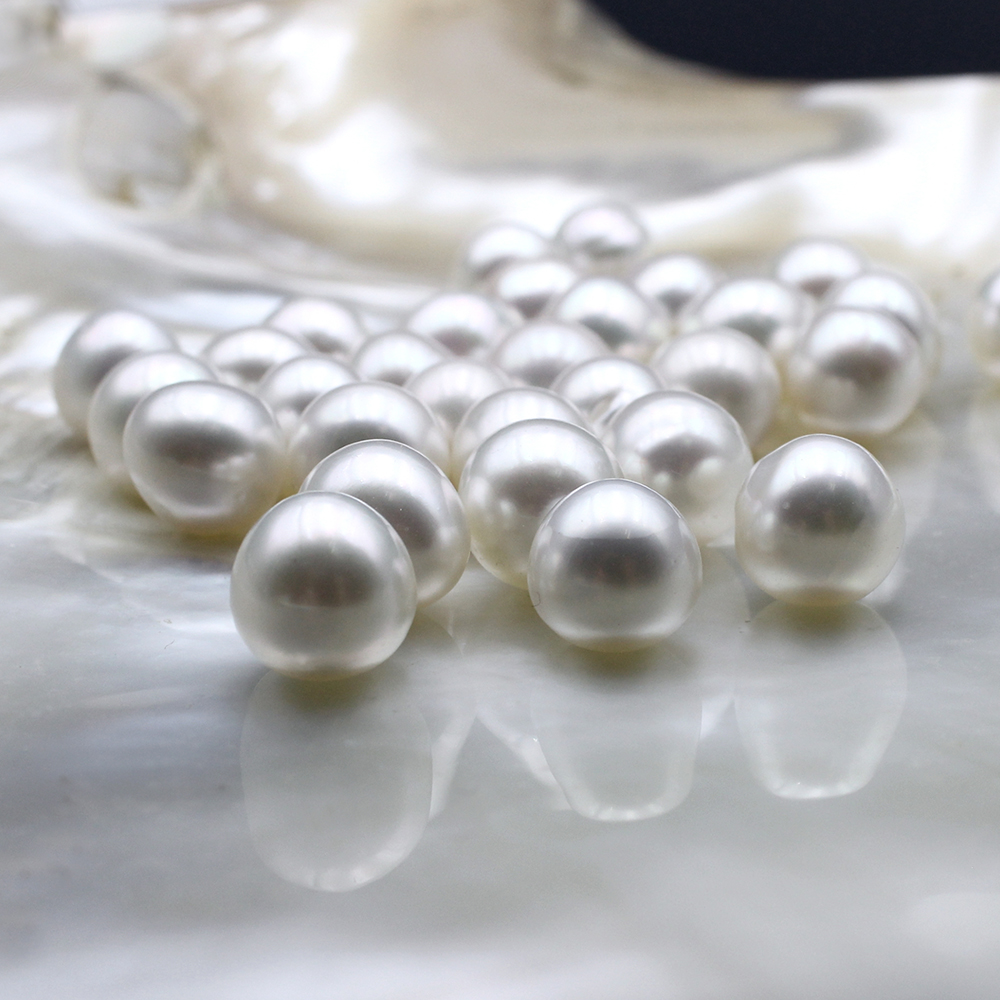
Australia is a renowned source of South Sea pearls and produces some of the world’s finest. The large oyster variety, the Pinctada maxima, was first discovered by divers off the north-west coast of Australia in the late 1800s. The Australian cultured pearl industry began operations in 1906 with the cultivation of blister pearls. Economically successful production of whole cultured pearls was achieved after World War II and by the 1950s the first Australian pearl farms were established. The town of Broome became the centre for industry and the pearls were originally dubbed ‘Broome pearls’. By the 1990s South Sea pearl production was able to keep up with the demands of large jewellery retailers and the popularity of Australian South Sea pearls grew. Today Australian South Sea pearls are one of the most sought-after pearl varieties in the world.
Something for everyone
The ancient and diverse landscape of Australia enables a large variety of gemstones to form. However, the production of opals, pink diamonds, sapphires and South Sea pearls from the country have become world renowned.
Teaghan Hall is a Fine Art graduate with a specialised interest in antique jewellery. She works in the antique jewellery trade and has written content for various industry publications whilst studying gemmology with the Gemmological Association of Australia.
Interested in learning more about gems? Then click here for information on a new Gemmological Association of Australia course on opal studies. It’s online and can be completed in your own time and at your own pace: